
Capability Architecture
Complex transformation requires people and institutions to do more than acquire new knowledge. They need opportunities to interpret change within their own contexts, develop relevant skills and behaviours, strengthen agency and leadership, work collaboratively across disciplines, and apply learning to real challenges.
Aesciora develops and delivers inclusive workshops and mentoring as part of the capability architecture programmes that connect technical knowledge with the humans and institutions responsible for its implementation.
Capability architecture programmes are designed around context and need, drawing on participatory and action learning, interdisciplinary practice, and adaptive delivery to help knowledge translate into meaningful and sustained change with agency and ownership.
01. Contextual & Inclusive Design
Start with people and context
Every programme begins with understanding the transformation challenge and the people and institutions navigating it.
We assess existing capabilities, learning needs, institutional context, stakeholder perspectives and the conditions that may enable or constrain change.
Gender Equality and Social Inclusion (GESI) considerations are explored from the outset, helping us understand differences in participation, access, influence, agency and opportunity and integrate these insights into programme content, learning materials and delivery approaches.

02. Action Learning
Learn through participation, application, and reflection
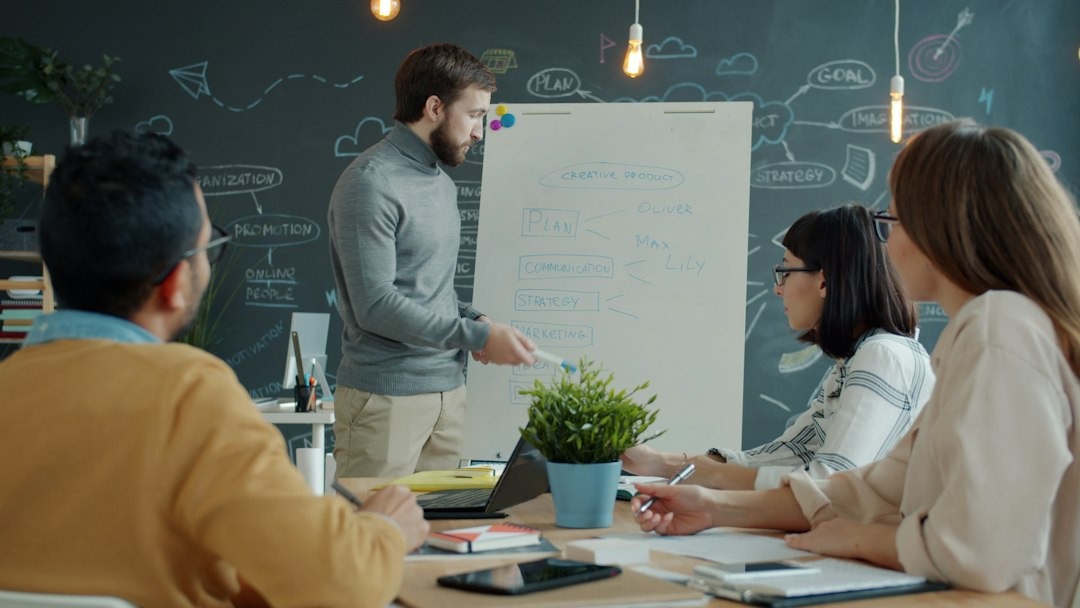
Aesciora moves beyond conventional knowledge transfer by creating opportunities for participants to work with knowledge rather than simply receive it.
Our programmes draw on established participatory and experiential approaches including Action Learning, Design Thinking, peer learning, mentoring and facilitated interdisciplinary exchange.
Participants can therefore apply technical knowledge to real organisational, sectoral or community challenges; explore different perspectives; develop and test responses; reflect on results; and take learning back into practice.
03. Adaptive Management
Learn from and improve delivery while the programme is happening
We use real-time feedback and reflective learning to understand how participants are engaging, what has been retained, where barriers remain and whether approaches are working.
Evidence we generate during delivery can then inform adjustments to content, facilitation, activities and learning support
Explore Our Activities Gallery
A curated collection of impactful experiences.
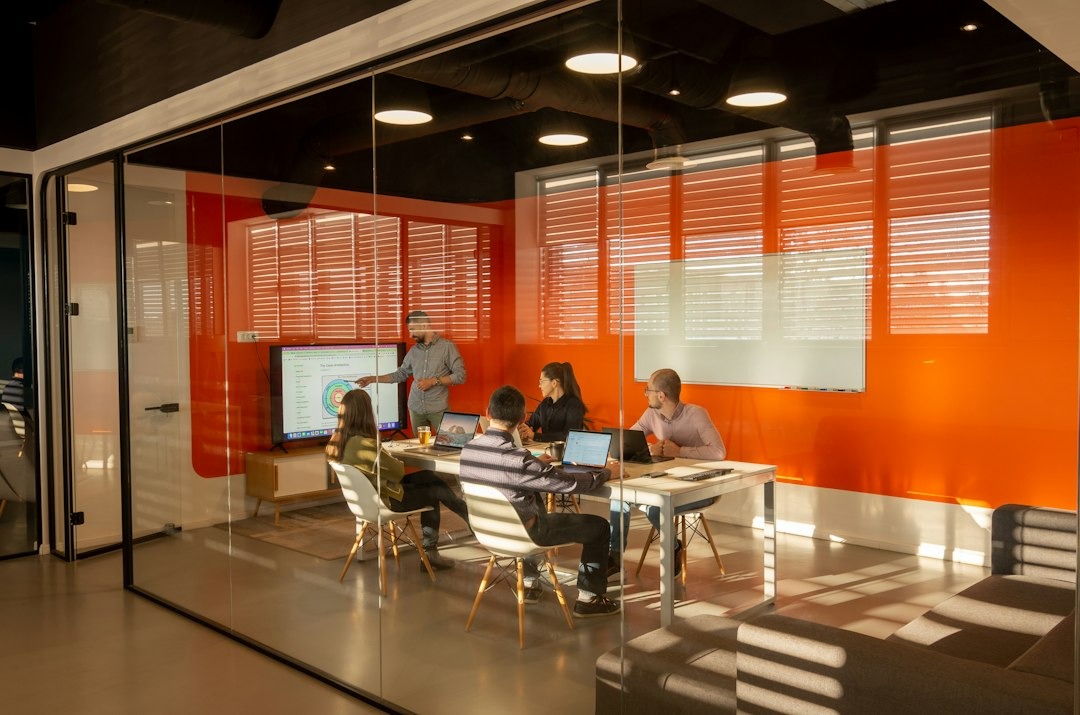
Harnessing the Human Dimension of Energy Transition
Bridging the gap between technical energy-transition ambition and the people and the organisational functions responsible for making it happen.
This work integrated technical knowledge with capability development, inclusive participation, contextual understanding and institutional considerations to support transition pathways that can be understood, owned and implemented in practice.

Igniting Agency and Growing Communities of Practice in International Development
Building capability that continues beyond the boundaries of a development programme.
Through participatory knowledge exchange and action learning, this work focused on strengthening individual agency, peer learning and collaborative networks—helping participants become active contributors to an evolving community of practice.
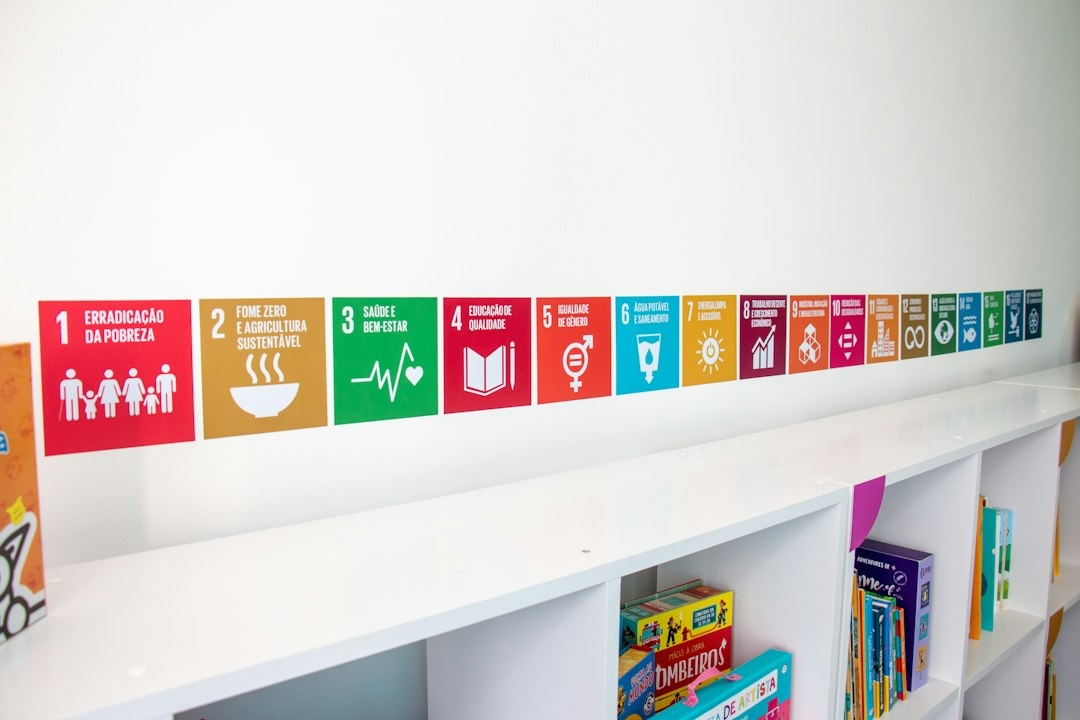
Fostering Inclusion and Gender Equity in Sustainability Reporting
Moving beyond representation and reporting metrics to explore what meaningful inclusion looks like in practice.
This work brought intersectionality perspectives into sustainability processes, connecting evidence and reporting with participation, representation, and agency needed for more equitable outcomes.